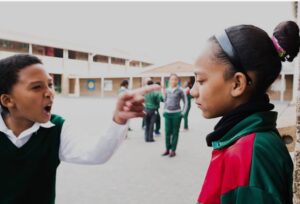
The Parent’s Role in Curbing Bullying
Bullying remains one of the most persistent challenges in schools today, with many cases going unnoticed or unreported, especially in the digital space. Studies indicate that children raised in hostile or abusive environments are more likely to either become bullies or be bullied themselves. This troubling trend underscores the critical role parents play in shaping their children’s social behavior and responses to conflict.
Bullying is defined as unwanted, aggressive behavior among school-aged children that involves a real or perceived power imbalance. It manifests in various forms, including physical, verbal, and cyberbullying. Unfortunately, due to fear, embarrassment, or lack of awareness, many victims do not report bullying incidents, allowing the problem to persist.
To effectively combat bullying, parents must take proactive steps in fostering positive social skills and behavior in their children. Teaching essential values such as kindness, empathy, cooperation, and problem-solving helps reduce the likelihood of children becoming bullies or victims.
Additionally, parents must remain vigilant and aware, as early detection of bullying tendencies—whether in their own child or others—can significantly mitigate its impact.
How Parents Can Help Curb Bullying
1. Start Early: Instill the Right Values from a Young Age
One of the most effective ways to prevent bullying is by teaching children appropriate social behaviors early in life.
From a young age, children should learn the importance of respect, kindness, and empathy. Simple habits such as sharing, taking turns, and resolving conflicts peacefully help children develop a strong moral foundation that discourages bullying tendencies.
2. Model the Right Behavior
Children learn by observing the adults in their lives. Parents serve as the first and most influential role models, meaning that their words and actions shape a child’s behavior. Demonstrating respect, patience, and kindness in daily interactions helps reinforce the importance of treating others with dignity. Parents should also address their own reactions to frustration and anger, as children often imitate how adults handle conflicts.
3. Educate Your Child About Bullying
Awareness is a powerful tool in preventing bullying. Parents should have open conversations with their children about what bullying is, why it is harmful, and the different forms it takes. Children must be able to recognize bullying behaviors—whether they are experiencing them or witnessing them.
Discuss the three main types of bullying:
Physical Bullying: Includes hitting, pushing, or any form of physical aggression.
Verbal Bullying: Involves name-calling, insults, and other hurtful words.
Cyberbullying: Occurs online through social media, messaging apps, or gaming platforms, where harmful messages or rumors are spread.
It is equally important to teach children how to respond when faced with bullying. Parents can provide practical steps such as:
Walking away from bullies instead of engaging in confrontation.
Confidently saying “STOP” to assert their boundaries.
Reporting the incident to a trusted adult.
Avoiding situations that may put them at risk of being bullied.
Speaking up when they witness bullying to support their peers.
Engaging in positive extracurricular activities that build confidence and resilience.
4. Set Clear Rules and Expectations for Behavior
Children thrive in environments where expectations are clearly outlined. Parents should establish firm yet fair rules about how their children should treat others, emphasizing the importance of respect and kindness. Setting household rules that discourage aggression, mean-spirited teasing, or exclusionary behavior fosters a sense of responsibility in children.
Additionally, reinforcing these expectations through regular discussions and positive reinforcement helps children internalize them.
5. Monitor and Communicate Regularly
A strong parent-child relationship is key to understanding what a child is experiencing at school or online.
Parents should regularly engage their children in open conversations about their daily experiences, friendships, and any concerns they might have. Simple questions like “How was your day?” or “Did anything upset you today?” can provide valuable insights into potential bullying incidents.
Additionally, in today’s digital age, parents should be aware of their children’s online activities. Cyberbullying can be particularly harmful because it often goes unnoticed until significant emotional damage has been done.
Parents should educate their children on responsible internet use, privacy settings, and the importance of speaking up if they encounter cyberbullying.
6. Encourage Healthy Self-Esteem and Social Skills
Children who have strong self-esteem are less likely to be victims of bullying or resort to bullying behaviors. Encouraging children to engage in activities that develop their skills and confidence—such as sports, arts, or leadership programs—helps them build a sense of self-worth. Parents can also teach social skills such as active listening, expressing emotions appropriately, and resolving conflicts peacefully.
7. Recognize Warning Signs and Intervene Early
Both bullies and victims often display warning signs that parents should be alert to. A child who is being bullied may exhibit behaviors such as:
Sudden withdrawal from social activities.
Unexplained injuries or lost personal items.
A decline in academic performance.
Frequent complaints of headaches or stomach aches (often a sign of stress).
Reluctance to go to school or engage in certain activities.
On the other hand, children who exhibit bullying tendencies may:
Display aggressive or dominating behavior toward peers.
Show a lack of empathy for others.
Frequently get into conflicts at school or with siblings.
Have a strong desire to control situations or people.
Early intervention is crucial in addressing both bullying behavior and victimization. Parents should work closely with teachers, school counselors, and other caregivers to address any concerns before the problem escalates.
Conclusion
Curbing bullying requires a collective effort, and parents play an essential role in fostering a culture of kindness, empathy, and respect in their children. By starting early, modeling appropriate behavior, educating children on bullying, setting clear expectations, and maintaining open communication, parents can significantly reduce the likelihood of their child becoming a bully or a victim.
Every child deserves to grow up in a safe and supportive environment, free from fear and intimidation.
Through active involvement and guidance, parents can help build a future where bullying is no longer a hidden issue but a problem that is effectively addressed and prevented.
I hope this meets you well.
Sincerely,
Joshua Olarinde
Director of Studies
Outstanding Performance Home Tutors
+2348085770009
info@optutors.com.ng
www.optutors.com.ng